Cities are evolving rapidly with emerging transportation technologies. A major transformation is the increasing use of electric vehicles (EVs) over petrol and diesel cars. This shift creates a demand for EV charging stations. Charging stations have become crucial to reshaping urban mobility.
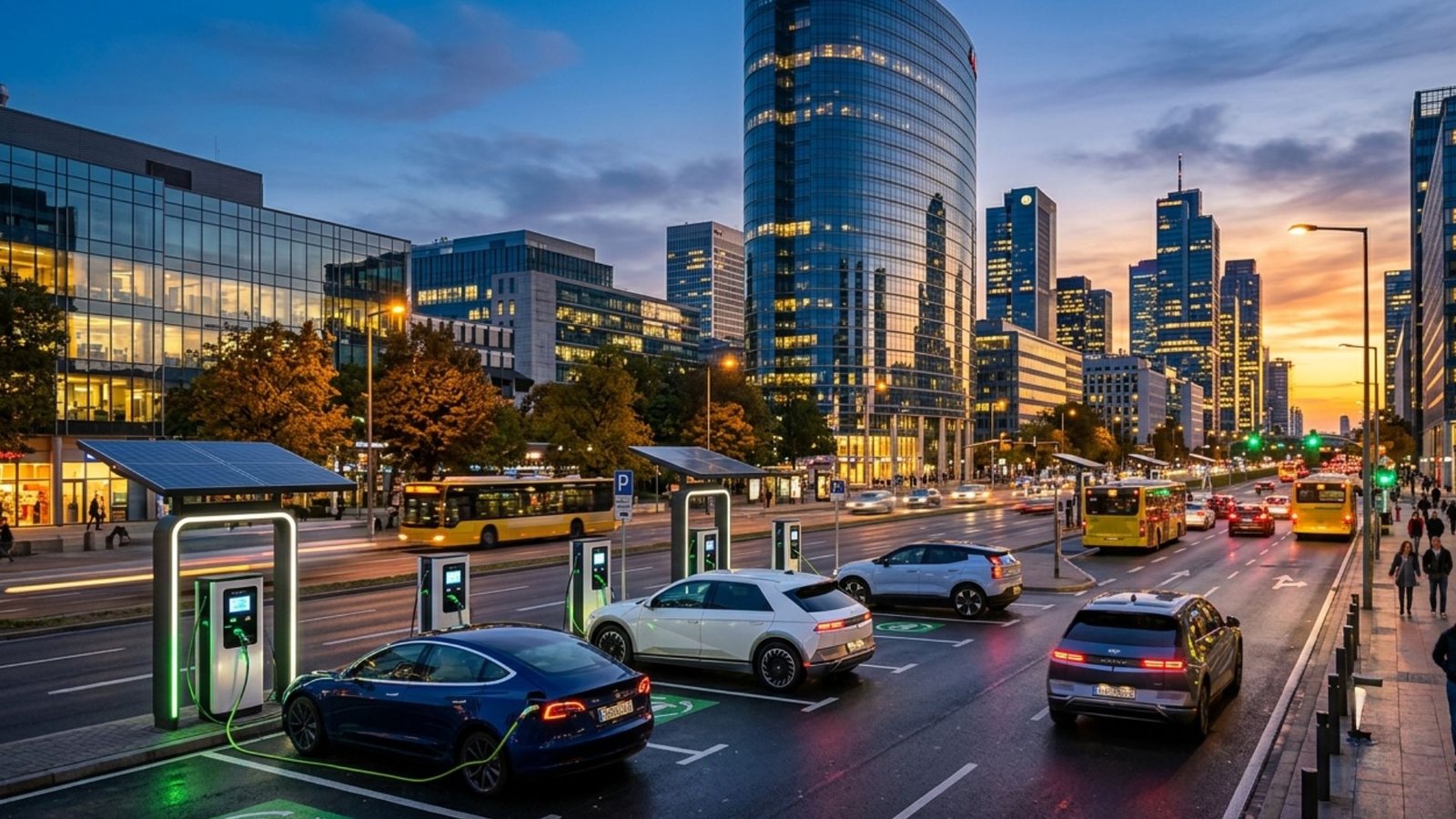
Components of EV Charging Infrastructure
Electric vehicles use electricity, not petrol or diesel. So they need charging points, not fuel stations. EV charging infrastructure includes public charging stations, fast chargers, and home chargers. Charging networks in places like parking areas, shopping centres, offices, and highways.
Enhancing Electric Transportation Accessibility
One way EV charging infrastructure is changing city travel is by making electric transportation easier. Before, people were worried about where they would charge their cars. Now with charging stations, this worry is going away. Drivers feel more confident that they will find a charging point when they need one.
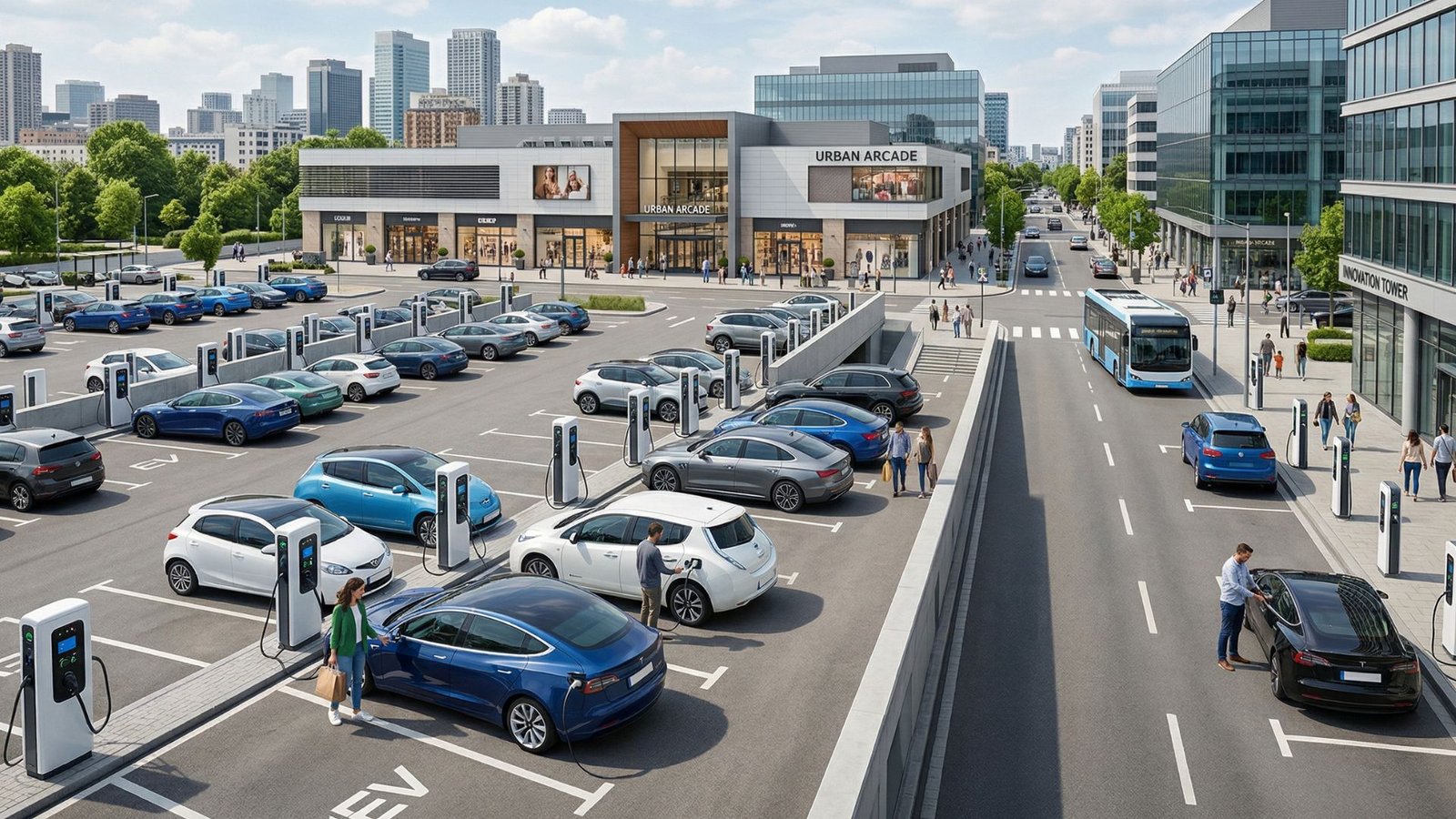
Increased Convenience for City Commuters
Another change is that city travel is getting more convenient. Charging stations are being put in places where people already go, like malls, office buildings, and public parking areas. This means drivers can charge their vehicles while they work, shop, or run errands. They do not need to make a trip to refuel.

Reducing Air Pollution in Urban Areas
EV charging infrastructure is also helping reduce air pollution in cities. Traditional vehicles release gases into the air. These emissions make the air quality poor, which affects people's health. Electric vehicles produce no emissions, and as more people switch to EVs, cities can reduce pollution levels.
Economic Benefits of EV Adoption
Another benefit is that EV transportation might be cheaper. Electricity is generally cheaper than fuel, and electric vehicles have fewer parts than conventional cars. This means maintenance costs and less spending on fuel over time. As charging networks expand, using vehicles becomes even more attractive.
Government and City Planning Support
Governments and city planners are supporting EV charging infrastructure. Many countries are introducing policies, incentives, and investment programs to support mobility. These efforts include building charging networks, providing subsidies for EV buyers, and supporting businesses that install charging stations.
Impact of Fast-Charging Technology
Fast-charging technology is also changing city travel. Modern fast chargers can recharge a vehicle quickly. This allows drivers to top up their batteries during stops, making electric vehicles more suitable for everyday city use.
Business Opportunities and Sustainable Growth
The expansion of EV charging networks is creating opportunities for businesses. Companies are installing charging stations to attract customers, employees, and visitors. For example, shopping centres may provide charging facilities to encourage EV drivers to spend time at their locations. As cities grow and traffic increases, sustainable transportation solutions are becoming more important. EV charging infrastructure is helping build a more efficient urban transportation system. By supporting vehicles, cities can reduce emissions, improve air quality, and create a more modern mobility environment. In the coming years, EV charging infrastructure will play a role in shaping the future of city travel. As technology advances and charging networks become more widespread, electric vehicles are expected to become a part of everyday city life.